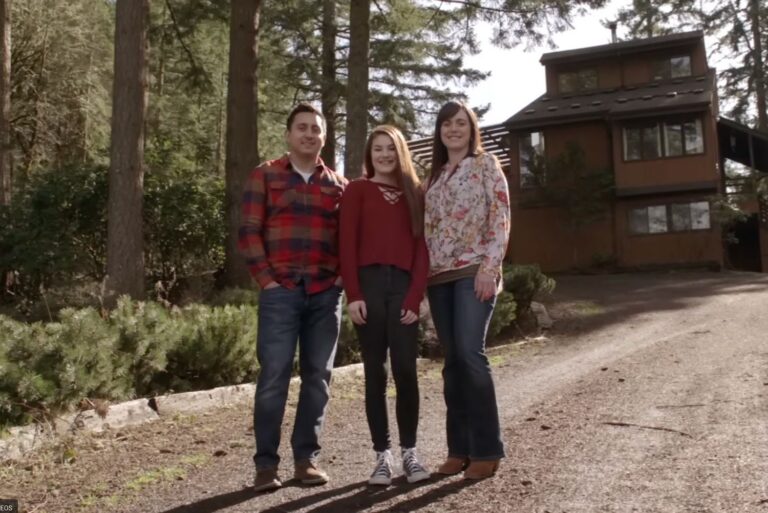

If you’ve been wondering whether you can become a foster parent as a single person, you’re not alone. Maybe you assumed foster care is designed for two-parent households, or you’ve scrolled through foster care websites and didn’t see yourself reflected in the families pictured there. Maybe you’ve felt the pull toward fostering for a long time but kept quietly filing it under “not for someone like me.”
Whatever you may be feeling, here’s what we want you to know: single adults can and do become foster parents in Oregon, and Foster Plus actively welcomes them. Being single is not a disqualifying factor. If you’ve been holding back because you thought the door wasn’t open to you, we’re here to tell you it is—and to show you what fostering as a single person can look like.
Here’s what we’ll cover:
- What Oregon’s foster care requirements actually say about single applicants
- What the real challenges of single-parent fostering look like—and how Foster Plus helps you navigate them
- The unique strengths single foster parents bring to the role
- How relief care offers a lower-commitment way to get started if you’re not quite ready for a full placement
- How to take your next step toward becoming a foster parent in Oregon
There’s No Single “Type” of Foster Family
Before we get into the specifics, it’s worth stepping back and widening the picture of what a foster family actually looks like—because it probably looks different than you think.
The families who foster through Foster Plus reflect the full diversity of Oregon. Single adults, married couples, empty nesters, LGBTQ+ families, people of color, people with personal experience overcoming trauma, people with professional backgrounds in social work or education—all of them are represented among Oregon’s foster parents, and all of them are needed.
That diversity isn’t just welcomed. It’s essential. Different children connect with different people, and having a broad, varied pool of foster families means agencies can make better, more thoughtful matches between kids and the families best suited to support them.
To learn more about the kinds of families who foster through Foster Plus, visit our What It Takes page.
What Are the Requirements for Single Foster Parents in Oregon?
The basic requirements to foster through a Foster Plus agency are the same for all applicants, regardless of whether you’re single or partnered.
Here’s what you’ll need to meet:
- Be at least 21 years old
- Pass a background check
- Demonstrate financial independence (the monthly foster care stipend cannot be your primary source of income)
- Have a separate bedroom with a door and a window for the foster child placed in your home (learn more about bedroom requirements here)
- Have reliable transportation and a valid Oregon driver’s license
- Complete orientation and pre-certification training before your first placement
None of these requirements exclude single applicants. If you can meet them, your household structure is not a barrier.
It’s worth noting that individual Foster Plus partner agencies may have additional requirements beyond this list, so it’s always a good idea to connect directly with the agency in your area to get the full picture. You can find answers to many common questions on our FAQs page, or reach out to us directly and we’ll point you in the right direction.
The Challenges of Being a Single Foster Parent
While being single does not disqualify you in any way from becoming a foster parent, it is true that single foster parents may face unique challenges. Here are some common ones we hear:
Managing the time commitment without a partner to share the load.
Fostering requires genuine presence and attention, and doing that solo means your personal time and energy take more of the impact.
Navigating difficult situations alone in the moment.
Kids who come into foster care have often experienced significant trauma, and there will be moments that are hard to manage—moments where having another adult in the room would feel like a relief.
Maintaining your work-life balance during a placement.
Coordinating work, caregiving, and your own wellbeing is a real juggling act, and it requires intentional planning.
Building your own support network outside the home.
Without a partner at home to lean on, it’s especially important for single foster parents to cultivate relationships with friends, family members, neighbors, and other foster parents who can offer support, encouragement, and the occasional helping hand.
These challenges are real, but they aren’t unexpected—and you won’t be left to figure them out on your own. You will be supported every step of the way.
How Foster Plus Supports Single Foster Parents
Every family that fosters through Foster Plus is surrounded by what we call a Circle of Support—a team of professionals dedicated to standing with you at every stage of your fostering journey. For single foster parents in particular, this support system isn’t just a nice-to-have. It’s the infrastructure that makes this commitment genuinely sustainable.
Here’s what that support looks like in practice.
Specialized training before any placement begins.
You won’t be handed a child and left to figure it out. Before your first placement, you’ll receive in-depth training designed to prepare you for the specific needs of the young person coming into your home.
Regular visits and check-ins from dedicated case managers and counselors.
You’ll have a team that knows you, knows your foster child, and stays actively involved throughout the placement—not just available if things go wrong, but present and proactive.
24/7 on-call access to support staff.
If something difficult comes up at 2am on a Saturday, someone will pick up. That’s not a figure of speech—it’s a genuine commitment that Foster Plus agencies make to every foster family.
Built-in breaks through relief care.
Every Foster Plus foster parent receives at least 48 hours off per month, provided by trained relief parents who step in to give you a break. For single foster parents, this built-in breathing room is especially valuable.
A monthly financial stipend starting at $1,400.
The stipend is designed to cover the costs of caring for a foster child—food, transportation, clothing, activities—so that the financial side of fostering doesn’t become an additional stressor.
The bottom line: you may be single, but you will not be doing this alone.
What Unique Strengths Do Single Foster Parents Bring?
This part of the conversation doesn’t come up often enough, so let’s spend a moment on it.
Single foster parents don’t just overcome a perceived disadvantage—they often bring genuine, distinct strengths to the role that directly benefit the children in their care.
Some kids who have grown up in chaotic, unpredictable, or conflict-filled home environments respond especially well to the calm consistency of a single-adult household. There’s no tension between partners to navigate, no competing dynamics to manage—just one steady, attentive adult showing up reliably every day.
Single foster parents also frequently bring undivided attention, deep personal motivation, and a kind of flexibility that two-parent households—with their own internal rhythms and competing needs—sometimes can’t offer. And for some young people, particularly teenagers who are wary of authority or have complicated feelings about family structures, a one-on-one dynamic can feel safer and more approachable than a traditional family setup.
You don’t need to fit a particular mold to make a profound difference in a child’s life. You just need to show up consistently, with care. And that’s something single people do every day.
Not Quite Ready for Full-Time Fostering? Relief Care Is a Wonderful Place to Start.
If something in this post has resonated with you but full-time fostering still feels like a bigger commitment than you’re ready to make right now, we’d encourage you to consider relief care.
As a relief parent (sometimes referred to as respite parent), you provide temporary care for foster children—typically a day or two at a time—giving full-time foster families the respite they need and ensuring that Oregon’s foster kids continue to receive consistent, quality care. It’s a flexible, meaningful role that single adults are absolutely able to do, and it’s a genuine way to test the waters and get a real feel for fostering before committing to a full placement.
To learn more about what relief care involves, visit our Relief Care page or read our in-depth guide: Everything You Need to Know About Becoming a Respite Foster Parent in Oregon.
You’re More Ready Than You Think
If you’ve read this far, something brought you here—and that something is worth paying attention to.
No one walks into foster care feeling completely prepared. The single foster parents who came before you had the same doubts, the same quiet voice wondering if they were enough. Most of them will tell you that the moment they stopped waiting to feel ready and simply took the next step was the moment everything changed—for them, and for the children they went on to care for.
Oregon’s kids need committed, caring people right now. They need people who will show up for them at one of the hardest moments of their lives. And “single” has never been a reason to say no to that.
If you’re ready to take the next step, visit our Get Started page to request information, find a local information session, or connect with a Foster Plus partner agency in your area. If you still have questions, reach out—a real person will get back to you. And if relief care feels like the right starting point, we’d love to help you explore that too.
Frequently Asked Questions
Do I need to be married or in a relationship to become a foster parent in Oregon?
No. Single adults are fully eligible to become foster parents in Oregon, and Foster Plus actively welcomes applicants of all household structures. What matters most is your ability to provide a safe, stable, and nurturing home for a child who needs extra support. To learn more about who is eligible, visit our What It Takes page.
Will being single affect my chances of being approved as a foster parent?
Being single is not a disqualifying factor in the Foster Plus certification process. Applicants are evaluated on the full picture of who they are and what they can offer—their stability, their training, their support network, and their commitment—not their relationship status. The Oregon Department of Human Services similarly does not exclude single applicants from foster care certification.
How does the certification process work, and how long does it take?
The certification process typically takes between six weeks and four months, though this can vary among Foster Plus partner agencies. It involves an application, background checks, a home inspection, and specialized pre-placement training. You’ll be supported throughout the process by your local agency team. Visit our FAQs page for more detail, or get in touch and we’ll walk you through what to expect.
What happens if something difficult comes up during a placement and I need help?
Foster Plus agencies provide 24/7 on-call access to support staff, including case managers and counselors. You’ll be given a clear list of contacts before your first placement and are encouraged to reach out at any time—day or night. You won’t be left to navigate difficult moments on your own. Learn more about the full support system available to you on our Circle of Support page.
Can single people become relief parents too?
Absolutely. Relief care is open to single adults and is a wonderful option for anyone who wants to make a difference in a foster child’s life with a lower level of commitment than full-time fostering. The basic requirements are the same as for full-time foster parents. Visit our Relief Care page to learn more.