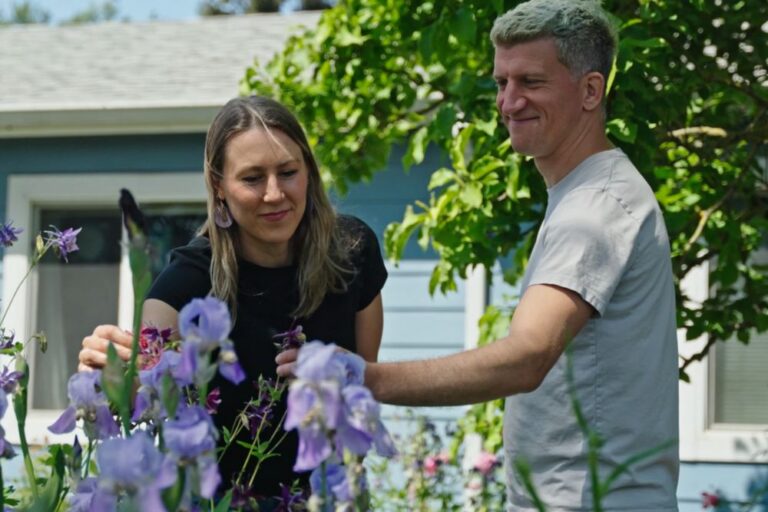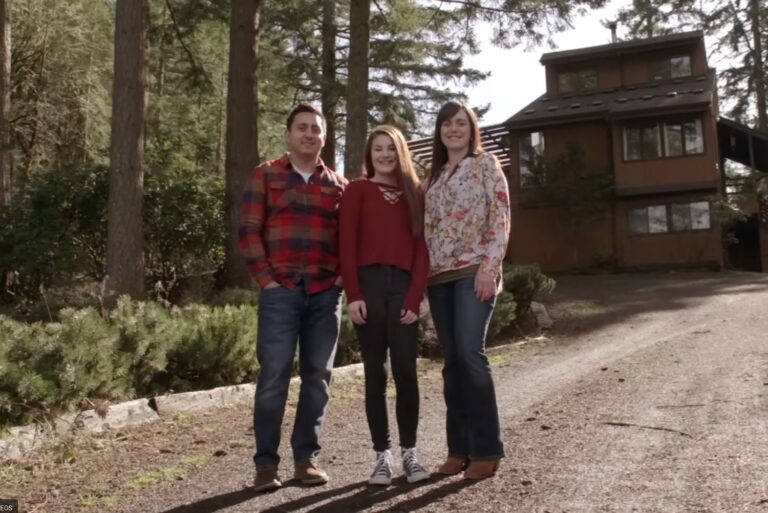
Ask Cooper what really keeps people from fostering, and it’s almost never what they say it is. Not the size of their house. Not their relationship status. What actually holds them back is quieter than that. It’s the belief that they need their whole life figured out before they could take care of someone else’s kid.
Cooper and Ruthie started fostering in Portland in 2023, mostly teenagers, and they’ll be the first to tell you they had no clue what they were doing at the start. They learned faster than they expected, and they found the barrier to getting started is far lower than the one most people imagine.
Roughly 4,500 kids are in foster care in Oregon on any given day, according to state reporting. Research from Harvard’s Center on the Developing Child points to something almost stubbornly simple about what helps them: the strongest predictor of a kid coming through serious hardship okay is having at least one stable, committed adult who sticks around. Not a perfect one. One who stays.
We sat down with Cooper and Ruthie to talk about how they got here, what surprised them, and what they’d tell anyone who’s thinking about it. You can watch their testimonial video here, or read their full interview below.
Note: This interview has been edited for length and clarity.
How did you get started with foster parenting?
Ruthie: I initially started thinking about fostering because I used to work at an alternative high school that’s actually down the street in this neighborhood. Through that job, I met several foster youth who were involved with Boys & Girls Aid. That really got me thinking about fostering as an option and helped me understand the impact it has on young people when they have a solid, stable place to stay.
That was something I brought up with Cooper. We’d already decided not to have biological children, but we still wanted to be parents in some capacity. That’s really how the conversation started.
Cooper: For me, I started working with foster youth as a summer camp counselor when I was about 18 or 19. That was my first experience, and it really showed me how important this work is. My sister was also a foster parent for a while, so seeing what that was like for her family encouraged me too.
What made you want to continue fostering?
Ruthie: I know there’s research showing that for young people facing significant barriers, even having one trustworthy, stable adult in their life can make a huge difference. I saw that firsthand while working with foster youth at the alternative high school.
Having a stable place to live and foster parents who are supported gives young people the ability to focus on things like finishing high school. Even with the daily ups and downs, I always think about the fact that we’re providing a safe, comfortable home and introducing our kids to lots of positive adult role models. That’s something I always come back to.
Cooper: One thing I didn’t expect was seeing just how much growth someone can have in a relatively short amount of time. Because many of these kids have so many barriers to begin with, even a few months of stability can completely change their behavior and their situation. It can be incredibly difficult while you’re living through it with them, but it’s really rewarding to watch that growth happen simply because they’ve had a safe place to live.
What has been most rewarding?
Ruthie: Teenagers are hilarious. They’re awesome. They’re also obnoxious.
It’s fun getting exposed to completely different generations. We learn new Gen Z slang all the time, and there are so many ridiculous, memorable moments. As an adult, it’s interesting to think back on what I was like at that age, how I was parented, and what I want to pass along to young people that I’m now a role model for.
We also get to know not only the kids who live with us, but their friends and family members too. Every kid has a completely different story, and we never really know what’s going to happen next, so it stays surprising.
How do you help each child adjust?
Ruthie: At the beginning, we try to take things slowly. We aren’t forcing anyone into anything. We’re very clear about who we are, what our house is like, and what our expectations are, but then we spend time learning about them. Simple things like asking what foods they like and making sure those are available. When they move into their room, we intentionally leave it as a blank slate and let them choose how they want to decorate it—what bedding they want, what lights they want, what goes on the walls. It’s really about giving them a space they can make their own.
Cooper: We quickly learn things like what music they’re into. Riding in the car together or hearing what they’re listening to around the house tells you a lot. From there we build around those interests and use them to connect and help them feel comfortable.
Ruthie: We’ve also become much more intentional about not comparing one child to another. Every young person is different, even if there are similarities in their circumstances.
Cooper: We also establish house rules together. We go around the room and everyone—including us—gets to contribute rules so everyone feels equal in creating the expectations for the house. That process also tells us what’s important to each person right from the beginning.
How has fostering changed you?
Ruthie: One thing that surprised me is how much growth we’ve experienced as parents. This process pushes us outside our comfort zones. We’ve learned so many skills that we never would have developed otherwise.
Sometimes it feels like drinking from a fire hose, especially at the beginning. We had no idea what we were doing. But over time, just like any parent, you build those skills and become more confident. That’s actually been one of the most rewarding parts for me.
Cooper: The skills we’ve learned transfer into other parts of life too—work, relationships with my family, everything. It’s helped me realize things that may have been missing when I was growing up and made us much more intentional about how we communicate and work together. That has been really eye-opening.
How has Boys & Girls Aid supported you?
Ruthie: We intentionally chose Boys & Girls Aid from the beginning because I was already familiar with the organization through my previous work. One of the biggest reasons we chose them was because of the wraparound support they provide for foster families.
We have monthly trainings, a foster care coordinator who supports us as parents, while the youth have case managers and skills trainers. If conflicts come up that we can’t handle ourselves, they help mediate those situations. They’ve also provided training on difficult topics that many parents never receive formal support around. I feel incredibly lucky to have that kind of guidance.
Cooper: The training has also helped me support other people outside of fostering because I’ve learned how to have difficult conversations. They also organize community events, holiday gift wrapping, foster parent appreciation events, and they’ve even provided bikes for kids we’ve cared for. It really feels like a partnership.
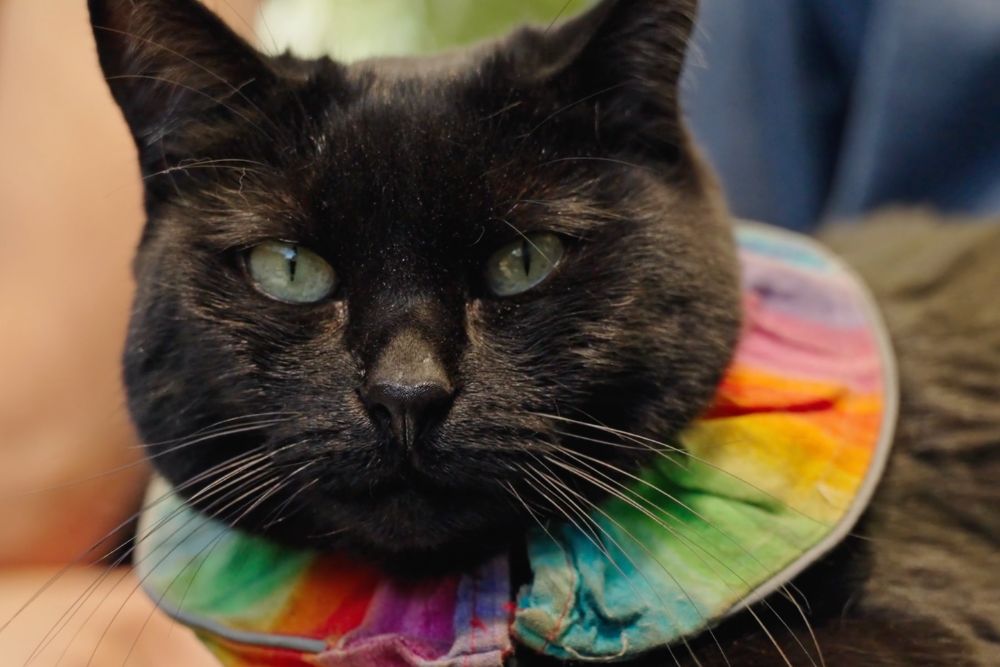
Tell us about your cat.
Cooper: Our cat is really funny. She’s such an icebreaker with kids. We always make sure someone is comfortable living with a cat before they move in, but she usually connects with kids almost immediately. Having an animal around can be really comforting.
Ruthie: She’s basically our therapy cat. Whenever someone comes over—a case manager, therapist, whoever—she always joins the meeting. She’s become part of the team.
What kinds of activities do you do together?
Ruthie: We’re pretty active people, so when kids move in we ask them what kinds of things they’ve always wanted to do but haven’t had the chance to. We make a bucket list together and try to help them check those things off.
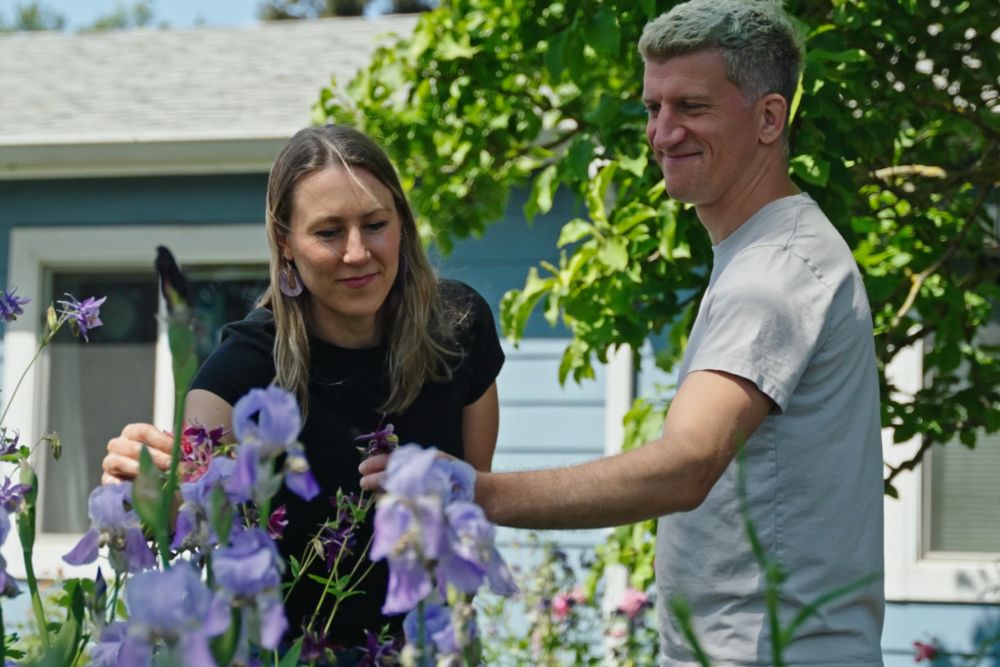
We garden, hike, spend time at the river, barbecue with family, go to Portland Pickles games, concerts, street fairs, movies in the park, comedy shows—there’s always something happening in Portland. We’ve even taken kids to a rage room.
One thing that’s really important to us is helping young people stay connected with friends whenever possible. Sometimes that means having friends over, other times it’s advocating so they can spend time with people outside the house. Being a teenager means having those relationships, and we work hard to support that.
Cooper: A lot of our role is advocating for kids. That’s probably half the job. Although honestly, it doesn’t feel like a job. It’s just the family we wanted to have.
What would you tell someone considering becoming a foster parent?
Cooper: It’s definitely difficult—just like parenting in general—but it’s incredibly rewarding. There are thousands of kids who need homes.
When people tell me they’re interested but think they don’t have a big enough house or don’t have everything figured out, I always tell them that’s okay. You don’t have to own a home. You don’t have to be married. There are actually very few requirements because these kids often have so little already. As long as you have love in your heart, that’s probably the biggest thing you need.
Ruthie: I’m always honest about the challenges. For me, many of those challenges come from the foster care system itself. But over time, we’ve learned how to advocate within that system. As foster parents, we often know the most about what’s happening in a child’s daily life because they’re living with us. It takes time to become confident enough to speak up and advocate, especially when everyone involved is overworked and resources are stretched thin.
Despite those challenges, the opportunities for growth—for us and for the young people who stay with us—make it worthwhile. We’ve all been pushed to try new things, learn new skills, and grow together.
Cooper and Ruthie foster through Boys & Girls Aid, one of the partner agencies in the Foster Plus network. If their story has you wondering whether you could do this too, the requirements are probably fewer than you think.